Detailed technical planning, process design, and engineering support for fertilizer plant projects.
We help convert project intent into practical engineering solutions through process definition, plant design logic, equipment planning, and coordinated technical documentation. Our consultancy supports a stronger path from concept to implementation.
Design and engineering connect project vision with technical execution, operational efficiency, and long-term plant reliability.
In fertilizer plant development, design and engineering consultancy plays a central role in shaping how the plant will function, perform, and scale. It ensures that project requirements are translated into technically structured systems, layouts, and engineering decisions.
At Jobson Enterprises, we support clients by developing technically sound design direction that aligns with process objectives, equipment requirements, safety considerations, and execution practicality. This helps reduce rework, improve coordination, and create a stronger base for implementation.
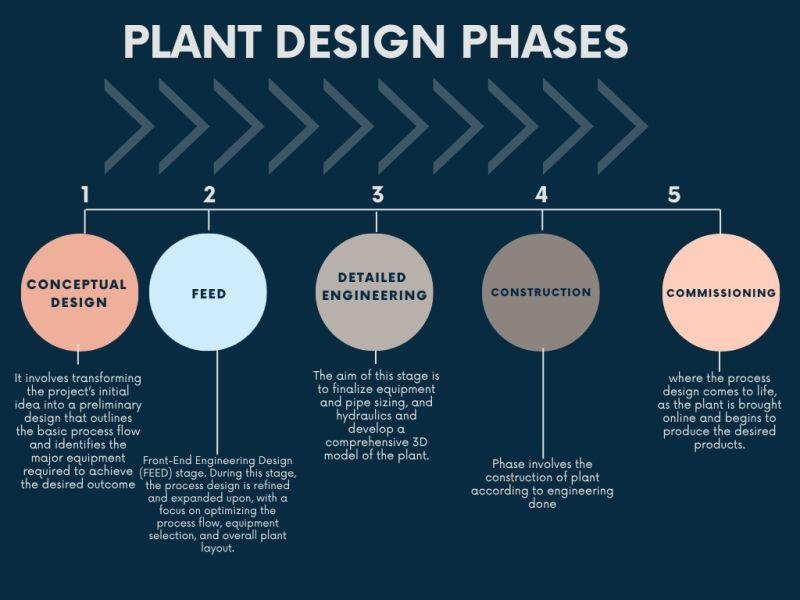
A practical engineering framework that supports design clarity, process efficiency, and implementation readiness.
Our design and engineering consultancy supports the technical development of fertilizer plant projects through structured engineering thinking, process-based planning, and coordinated design inputs. It helps convert project needs into clear engineering direction for the next stages of development.
Each part of this service is focused on improving technical clarity, design alignment, and execution readiness so that the project can progress with stronger confidence and fewer uncertainties.
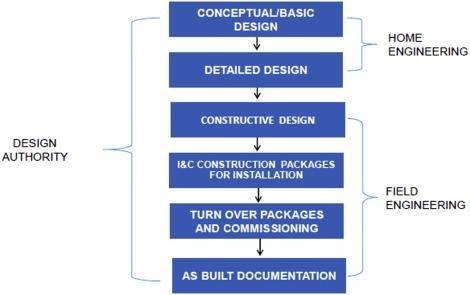
Creating a technically aligned process foundation for efficient plant operation.
Process design development focuses on defining how the plant will operate from a technical and production standpoint. This includes process flow logic, material movement, utility integration, production stages, and system-level coordination required for effective plant performance.
At this stage, technical thinking is translated into structured process planning so that the plant is not only capable of meeting production goals, but also aligned with operational practicality, safety, and future maintenance needs.
A well-developed process design helps reduce inefficiencies, supports better equipment decisions, and ensures that engineering work begins with a clear process-driven base.
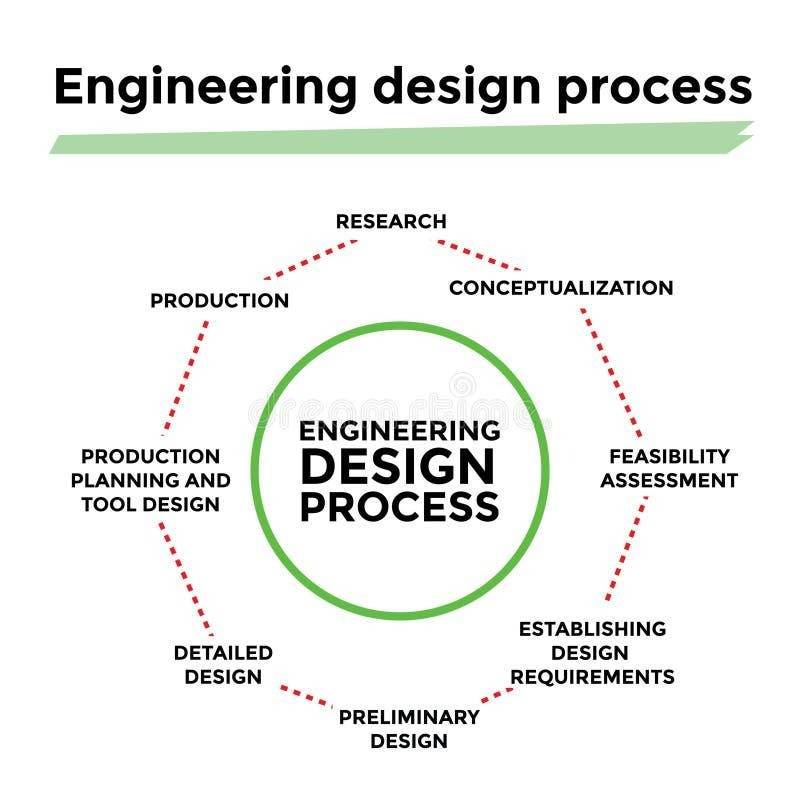
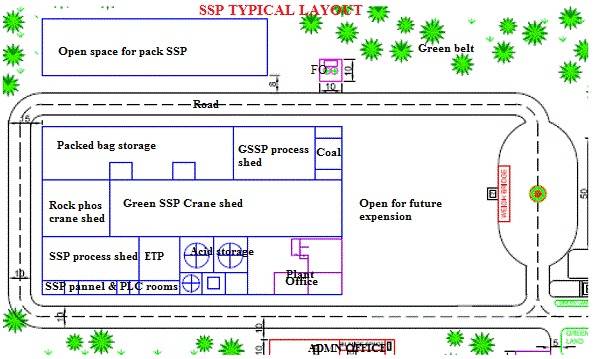
Organizing plant sections, equipment placement, and movement flow for practical execution.
Plant layout engineering focuses on how the project is physically arranged to support productivity, safety, maintenance access, and coordinated operations. It includes equipment placement logic, section-to-section flow, utility routing considerations, and overall plant arrangement strategy.
A properly engineered layout helps reduce congestion, improve workflow, and create better coordination between process design and on-site execution. It also supports smoother installation and future operational management.
This stage helps ensure that the plant is not just technically designed on paper, but also realistic and efficient in a working environment.
Layout • Access • Equipment • Utilities • WorkflowAligning process needs, equipment selection, and engineering requirements into one coordinated direction.
Equipment and engineering integration ensures that major plant systems, process requirements, and technical design decisions work together in a coordinated manner. It supports selection logic, system compatibility, installation planning, and design consistency across the project.
This stage is essential for avoiding mismatches between process intent and actual engineering implementation. It helps create a stable technical base before procurement, fabrication, and installation progress further.
By aligning design decisions early, the project benefits from stronger continuity between engineering documents, equipment planning, and site execution requirements.
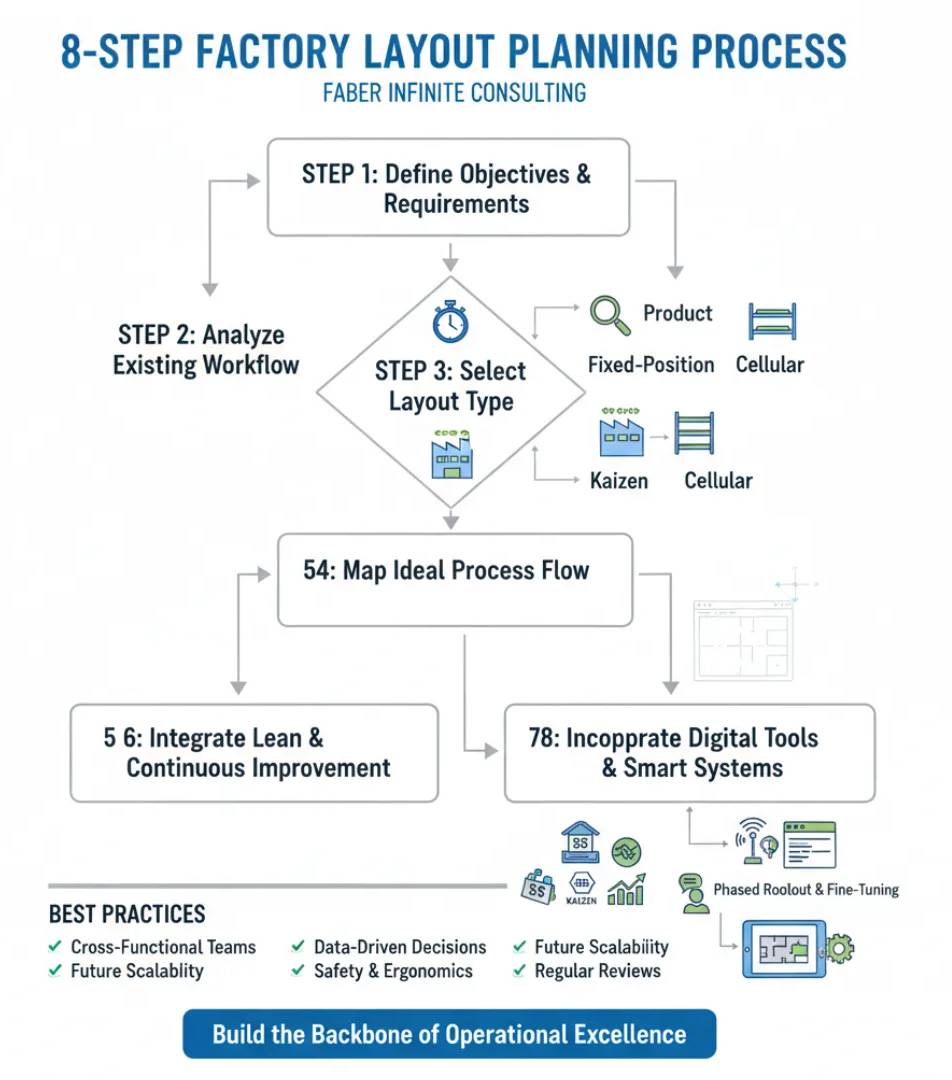
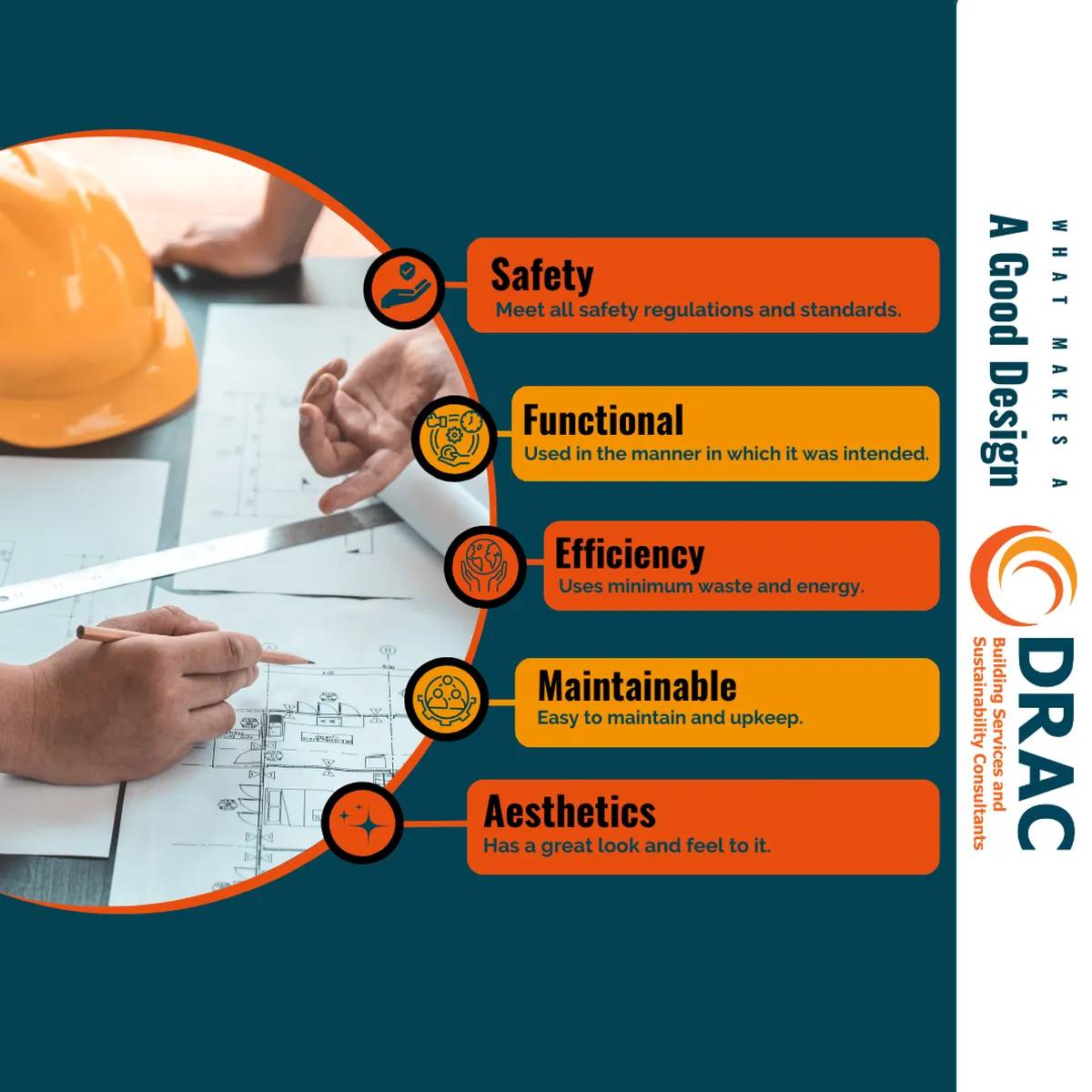
Good engineering reduces technical gaps, improves coordination, and supports better long-term plant operation.
Design and engineering are not only about creating drawings or calculations. They are about ensuring that the plant is technically coherent, practically buildable, and operationally dependable. A strong engineering base helps eliminate avoidable issues before they affect cost, quality, or schedule.
We combine process understanding, layout logic, and technical coordination to shape practical engineering direction.
Our approach is built around understanding the project requirements, defining process intent, coordinating engineering logic, and preparing a stronger technical base for implementation. This ensures that every stage is guided by practical engineering thinking and project-specific realities.
We review product goals, process needs, and technical expectations.
We define core process direction and plant arrangement strategy.
We align equipment, utilities, systems, and technical considerations.
We help create a stable technical foundation for execution and next-stage development.
Practical engineering outputs that support technical clarity and implementation confidence.
The value of design and engineering consultancy lies in structured technical outputs that guide the project with better clarity, stronger coordination, and more dependable engineering direction.
Structured process-related direction to support technical development and operational planning.
Improved arrangement logic for sections, equipment, movement flow, and utilities.
Better alignment across process, equipment, and technical design requirements.
A more clearly defined engineering path for execution planning and project progression.
Inputs that support smoother transition into detailed engineering, procurement, and implementation.
Less uncertainty in plant design decisions, coordination requirements, and execution planning.
Our consultancy is strengthened by real-world involvement across fertilizer plant design and development projects.
Our experience across fertilizer plant planning, engineering coordination, and execution support helps us provide design recommendations that remain practical, technically aligned, and suitable for implementation conditions on site.
Whether you are developing a new fertilizer plant or refining the technical direction of an existing project, Jobson Enterprises can support the next stage with practical and technically grounded design and engineering consultancy.