
Mechanical blending systems for granular fertilizer grades with controlled dosing, screening, coating, micronutrient addition, and bagging.
Jobson Enterprises supports NPK blending plant planning, process configuration, equipment selection, automation logic, and engineering guidance for high-quality blended fertilizer production.
A structured blending production process that converts blended nutrients into uniform fertilizer granules for specific crop requirements.
Blending is a mechanical process of mixing different but compatible products. In this project, the process concerns blending of granular fertilizers.
A Good Quality Blended Fertilizer Means Homogenous Raw Material (Granules), Absence Of Dust And Lumps, And A Thorough Mixing. Blended Fertilizers Cannot Be Stored Or Transported In Bulk Because Of A Serious Segregation Phenomenon Which Could Downgrade The Mixture Homogeneity. That Means The Blended Product Must Be Bagged Immediately After Mixing, Avoiding Any Useless Movement.
The NPK manufacturing page explains fertilizer production as a progression from raw material selection through intermediate processing and into finished multi-nutrient products. In this process family, nitrogen, phosphate, and potash inputs are combined in the required proportions to produce crop-specific fertilizer grades.
Jobson positions NPK blending as a process in which mixed nutrients are converted into uniform granules, commonly in the 1 mm to 4 mm range, with the production line optimized for different formulations such as 15:15:15 and other required grades.
Uniform Granules • Custom Grades • Crop-Specific Formulations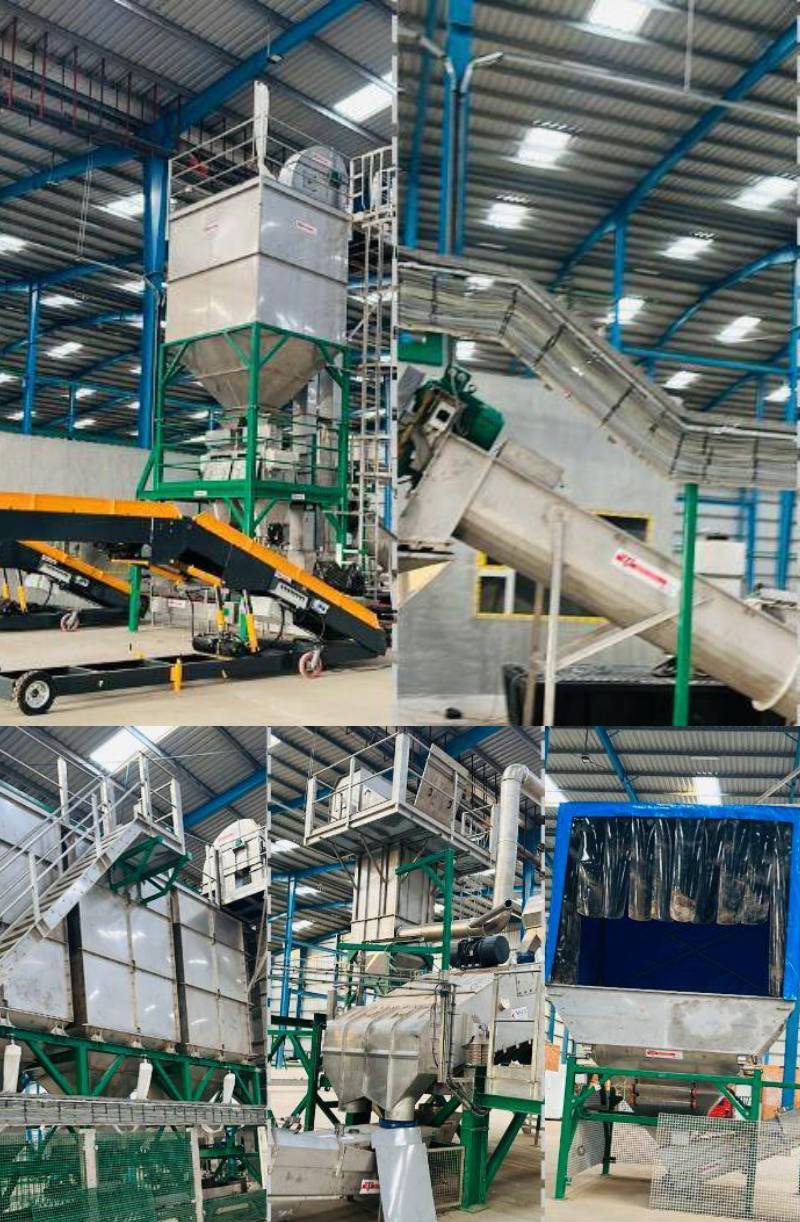
The nutrient system brings together nitrogen, phosphate, and potash inputs for complex multi-nutrient fertilizer products.
Ammonia is described as the intermediate product for many nitrogen fertilizers and a core component in multi-nutrient fertilizer manufacturing.
Rock phosphate is processed into plant-available forms using acids, forming intermediates and products such as SSP, TSP, MAP, DAP, and complex fertilizers.
Potassium minerals are refined and concentrated before use, supporting both straight K fertilizers and multi-nutrient fertilizer production.
NPK ratings represent nutrient proportions and are selected according to crop needs.
The N value represents actual nitrogen content, while phosphorus and potassium are commonly expressed in oxide-equivalent form as P2O5 and K2O.
This grading logic is central to plant planning because it influences raw material combinations, process settings, blending ratios, and final product performance in the market.
The numbers in a fertilizer grade represent the percentage of nitrogen, P2O5, and K2O in the mixture, allowing formulas to be selected according to crop requirements.
The process follows a controlled route from feeding and blending to final bagging.
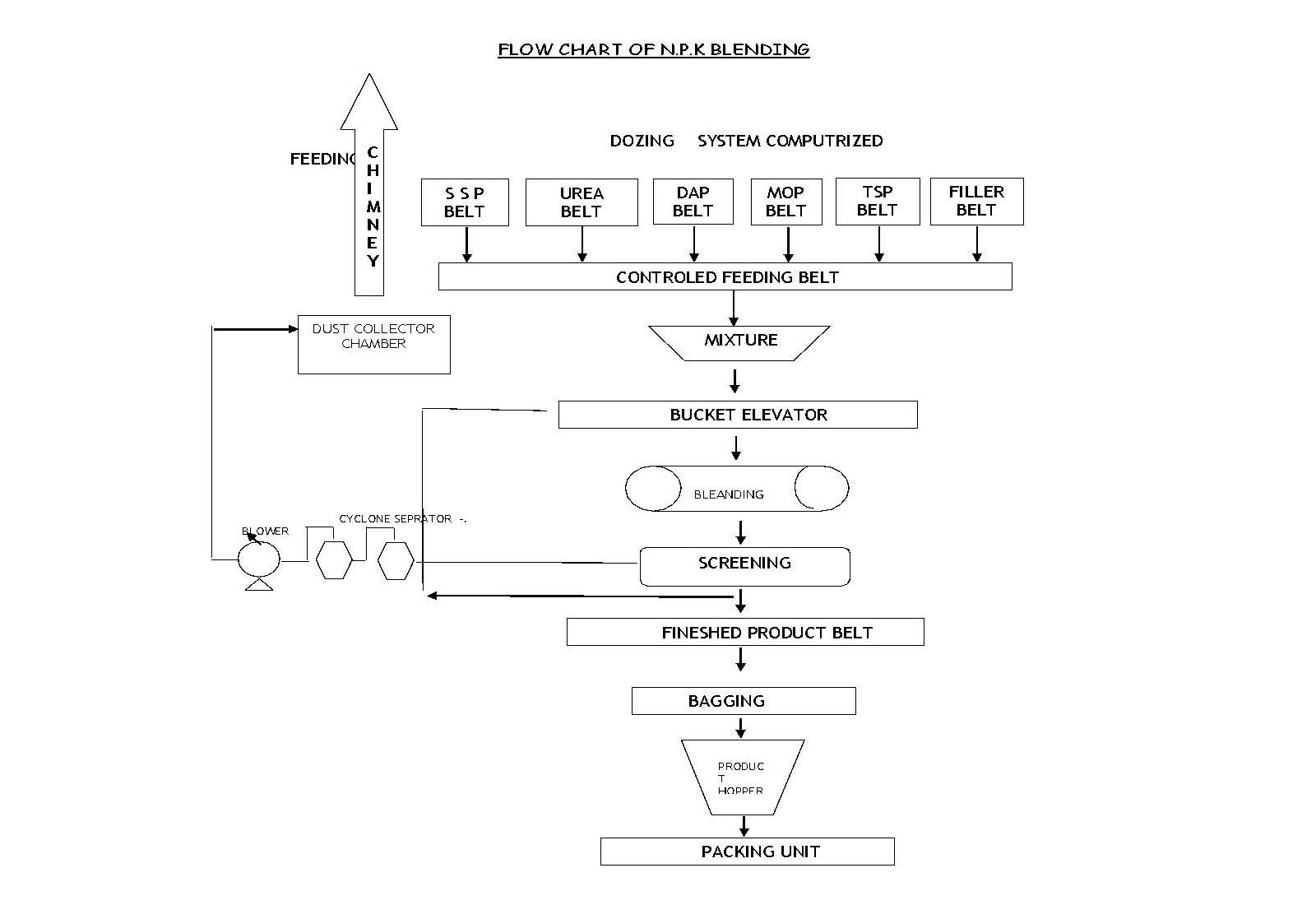
Major material categories are used to formulate NPK mixture fertilizers and support downstream production.
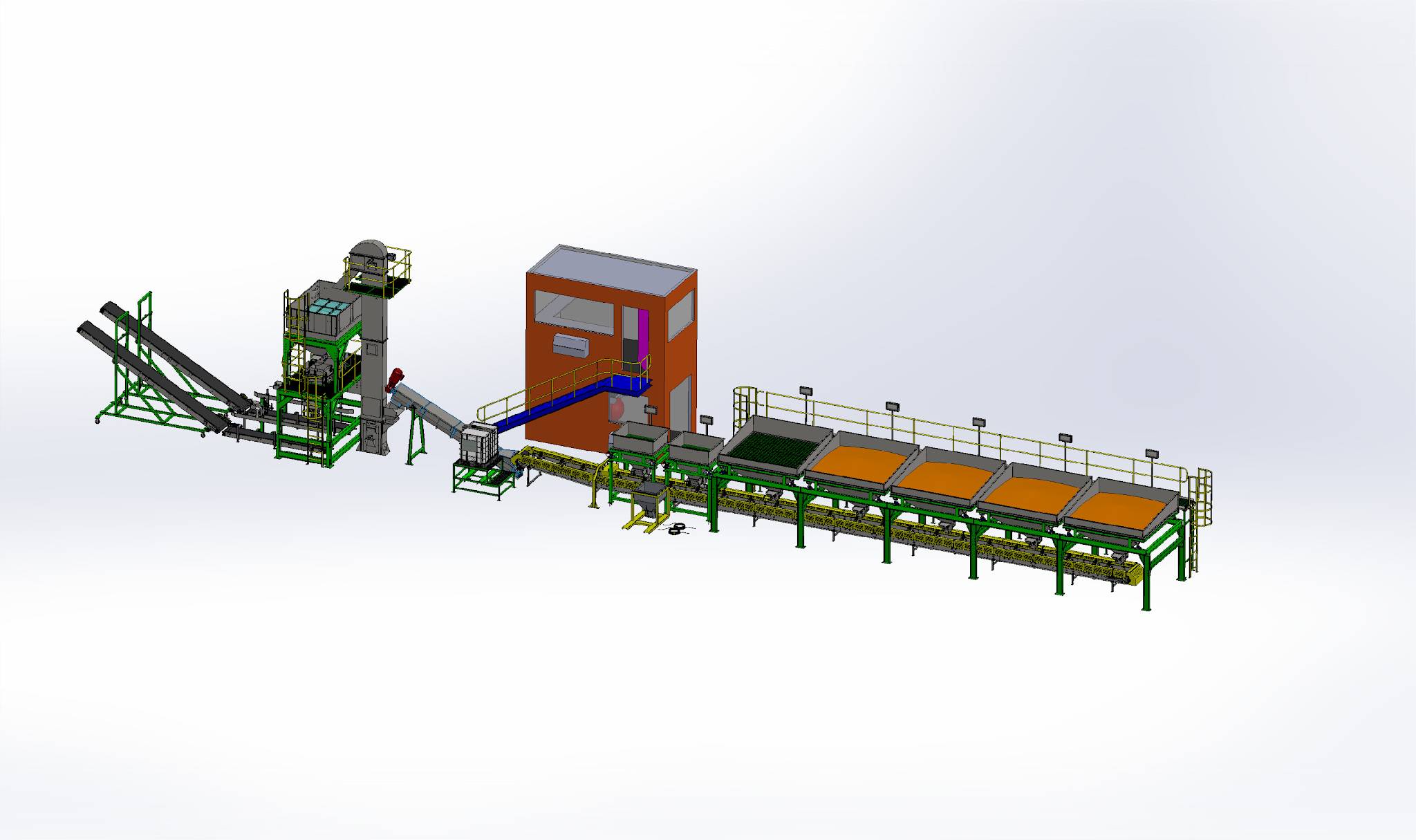
The line combines feeding, conveying, screening, blending, micronutrient addition, hopper transfer, bagging, stitching, and transport options.
Packing machine, cyclones, dust collector, scrubbers, and related systems for clean operation and dispatch readiness.
The process emphasizes customization, maintenance simplicity, dust management, strong production capacity, and lower energy demand.
Plants can be configured to suit specific customer requirements, formulations, and production targets.
The integrated design is easier to maintain and clean for consistent industrial operation.
Dust can be separated using a dust control system for cleaner process performance.
High production capacity and low energy consumption are highlighted as key advantages of the line.
Standard references covering product type, capacity, raw materials, standards, technology positioning, and after-sales support.
| Specification Area | Details |
|---|---|
| Product Type | Blended, mixed fertilizer formulations made crop specific. |
| Plant Capacity | 400, 500 and 1000 tons per day. |
| Typical Raw Materials | Urea, DAP, TDP, SSP, MOP, gypsum, ammonium chloride, ammonium sulphate, and related inputs. |
| Quality Standards | Configured to meet standards such as BIS India, Euro, and others as referenced on the page. |
| Technology Positioning | Trusted, tried, proven, and eco-friendly. |
| After-Sales Support | Training for line and staff, spares support, and technical assistance. |
This process page supports technical discussions around how an NPK plant should be configured, what it should consume, and how it should perform.
For clients evaluating a new NPK project, the page provides useful inputs across process structure, raw material strategy, machinery scope, quality positioning, and production capacity selection. It also helps frame technical conversations around customization and long-term maintainability.
Jobson Enterprises can help define the process, equipment configuration, blending flow, image documentation, and engineering basis for your fertilizer blending project.