
PROM-focused fertilizer process expertise for organic nutrient solutions, co-composting systems, and granular product preparation.
Jobson Enterprises supports bio fertilizer projects with practical process understanding, plant planning inputs, and production-stage clarity for Phosphate-Rich Organic Manure (PROM) and related organic fertilizer applications. The approach combines process logic, material handling, bio-activation, and optional granulation support for efficient and market-ready output.
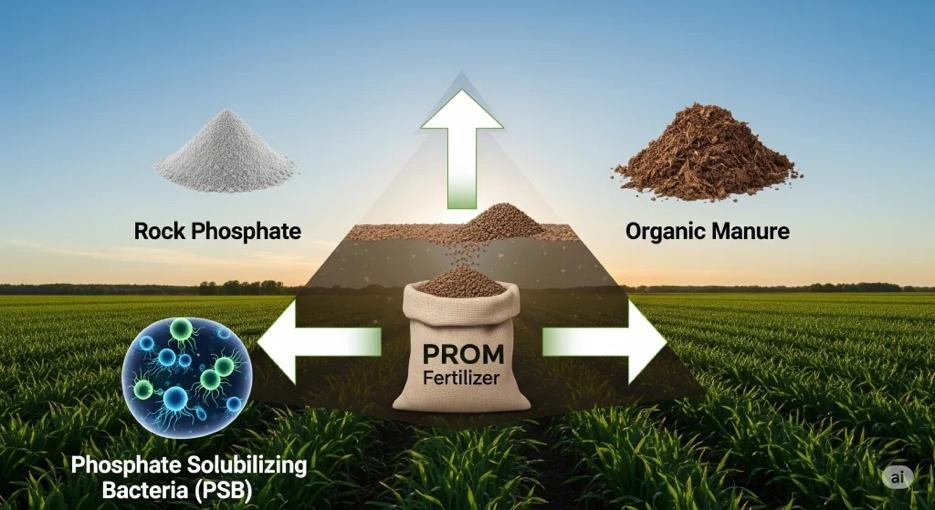
The Jobson focuses on PROM, or Phosphate-Rich Organic Manure, as a bio fertilizer route with practical agronomic and handling advantages.
Bio Fertilizer is 100% Natural Peat Moss. The best quality organic fertilizer known that helps to provide all the nutrients required by the plants and helps to increase the quality of the soil with a natural microorganism environment.
On the Jobson page, bio fertilizers are presented through the PROM process. PROM is described as an organic alternative to chemical phosphatic fertilizers such as DAP and SSP, prepared by co-composting high-grade rock phosphate with organic matter and beneficial microorganisms.
This route supports nutrient-enriched organic fertilizer production while creating a material that is better aligned with sustainable farming approaches, practical field application, and process adaptability for drying, sieving, and optional granule formation.
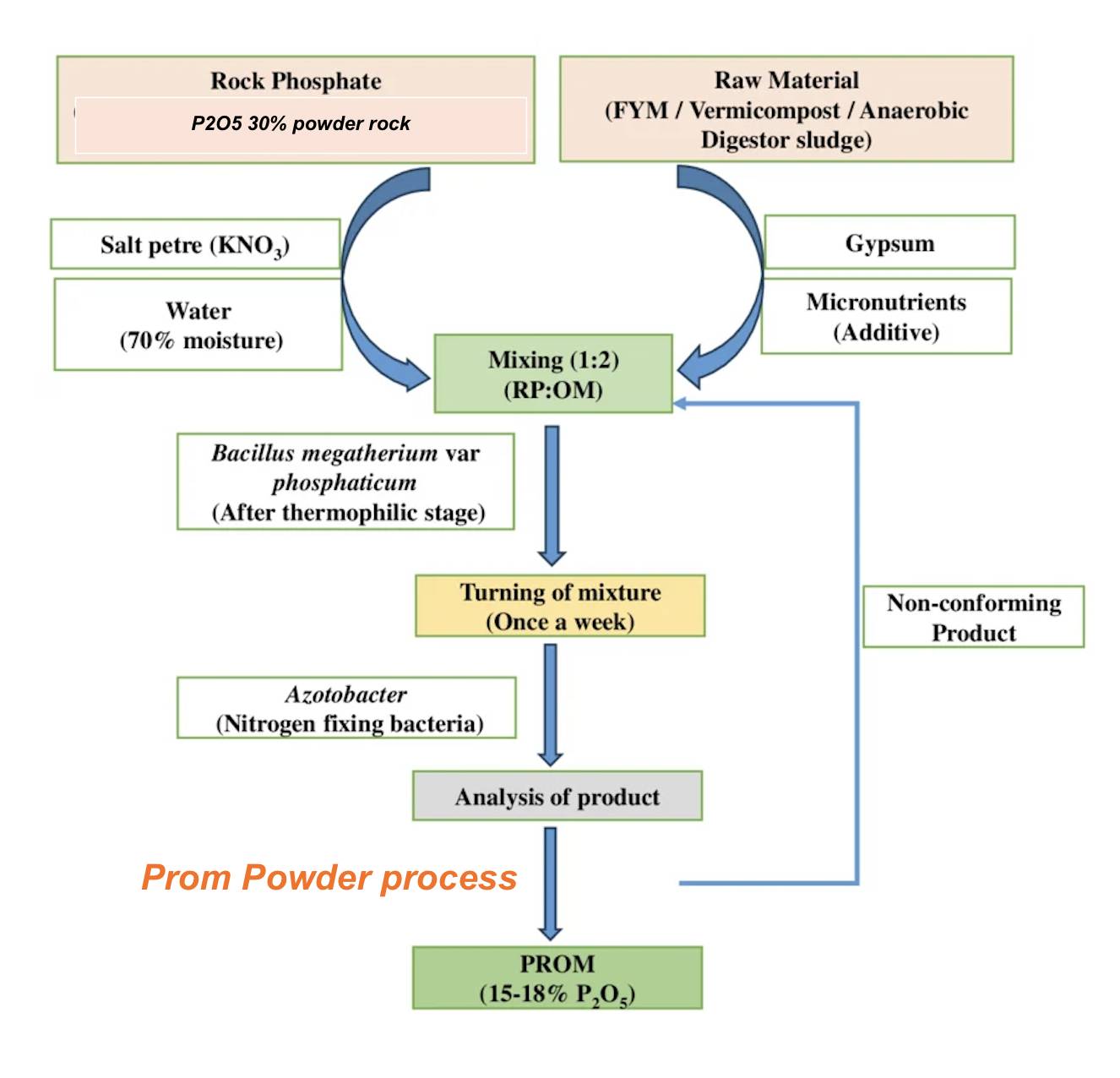
The lays out PROM production as a structured sequence from raw material preparation through packaging.
The process begins with preparing the required mineral and organic inputs so the base composition is suitable for biological enrichment and downstream handling.
Rock phosphate and organic matter are blended in a controlled way to create a consistent mix that can support bio-activation and curing.
Beneficial microorganisms are introduced as a core production stage, supporting biological activity and nutrient transformation during the composting cycle.
Co-composting is the central process layer in the Jobson description, where organic matter, phosphate source, and microbes are activated together.
After activation, the product is allowed to mature so the material reaches a more stable and usable condition before final processing.
The page lists post-processing stages including drying and sieving, with granulation marked as optional, followed by final packaging for dispatch and use.
specifically notes that a granular PROM plant requires a wet granulation line.
According to the, a granular PROM setup requires a wet granulation line to combine fine rock phosphate with composted organic matter into more uniform and easy-to-handle pellets. This makes the product more convenient for storage, movement, packing, and field application.
For project planning and engineering decisions, this means the production route can be designed around either powder-form output or upgraded into a more market-friendly granular system depending on client goals, plant scale, and final product positioning. This second point is an engineering inference based on the process options described on the page.
The source page includes a PROM specification section covering physical, chemical, and heavy-metal related criteria.
| Parameter | Requirement from source page |
|---|---|
| Moisture by weight | Maximum 25% |
| Particle size | Minimum 90% material should pass through 4.0 mm IS sieve |
| Bulk density | Less than 1.6 g/cm³ |
| Total organic carbon | Minimum 8.0% |
| Total nitrogen (as N) | Minimum 0.4% |
| Total phosphates | Minimum 8.0% |
| C:N ratio | Less than 20:1 |
| pH (1:5 solution) | 6.5–8.0 maximum range shown on page |
| Conductivity | Not more than 10.0 dSm⁻¹ |
The same specification section also lists heavy metal limits for arsenic, cadmium, chromium, copper, mercury, nickel, lead, and zinc. Because the source formatting is uneven, these should be checked directly against the live page before publishing in a regulatory or product datasheet context.
The bio fertilizers page also mentions other related product categories handled alongside PROM.
The live page lists other products such as gypsum, organic manure, soil conditioner, and potash derived from molasses. This suggests a broader organic and soil-input perspective beyond PROM alone.
From a business and plant planning perspective, that can support wider product diversification, common utility planning, and related material handling considerations. This second sentence is an inference from the product grouping shown on the page.
PROM • Organic Manure • Gypsum • Soil Conditioner • Potash from Molasses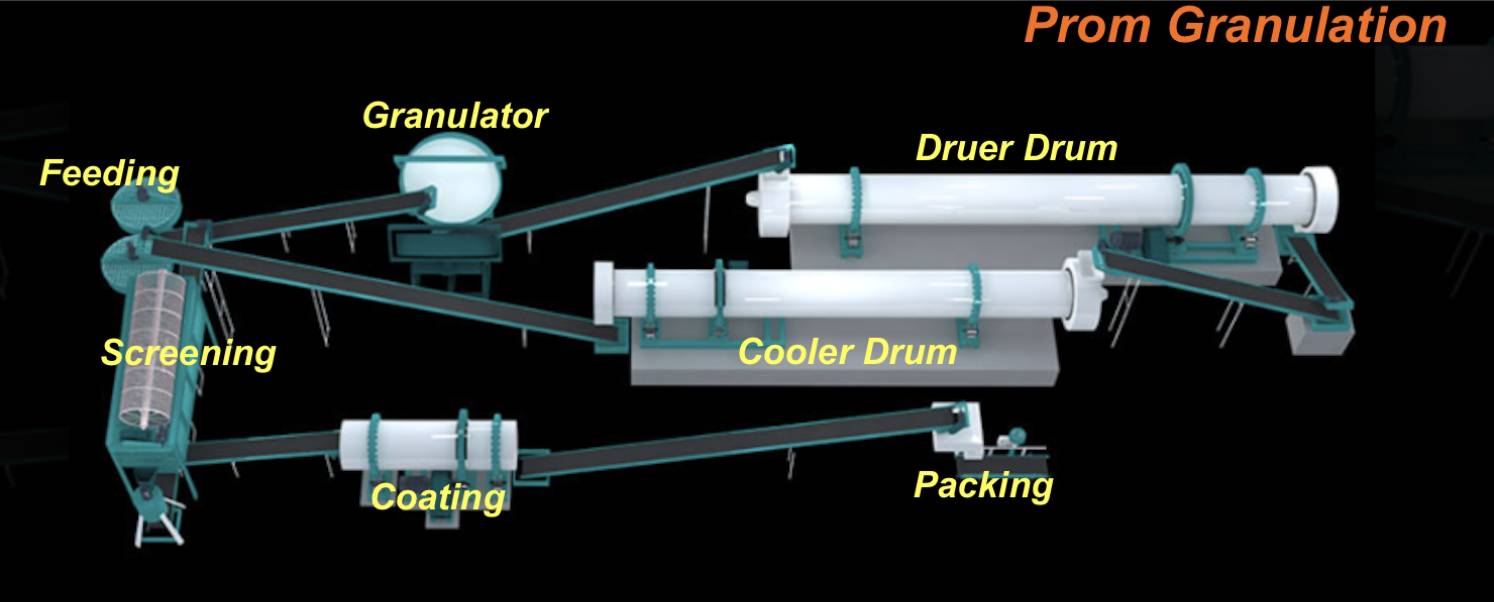
Whether you are planning a new PROM production unit, evaluating granular bio fertilizer output, or exploring an organic fertilizer product line, Jobson Enterprises can help shape the process direction with practical technical support.